Pearson Edexcel · GCSE · English Literature
Poetry Anthology: Belonging (15 poems – Romantic, Literary Heritage, Contemporary)
Master the Pearson Edexcel 'Belonging' poetry anthology with this comprehensive, multi-modal study guide. Discover how to confidently compare Romantic, Literary Heritage, and Contemporary poems to secure top marks in your GCSE English Literature exam.
- 5 min read
- 2 worked examples
- 4 practice questions
- 8 key terms
Study Notes
Overview
The Pearson Edexcel 'Belonging' poetry anthology (Collection 4) offers a profound exploration of human connection across three distinct literary periods: Romantic, Literary Heritage, and Contemporary. Examiners reward candidates who can confidently navigate these 15 poems, drawing perceptive comparisons about how writers present identity, place, and community. The highest marks (Level 5/6) are awarded to students who move beyond feature-spotting to explore the conceptual nuances of 'belonging'—recognising that it often encompasses its inverse: displacement, alienation, and exile. You must demonstrate a sophisticated grasp of writer's methods (AO2), seamlessly integrating relevant contextual knowledge (AO3) to support a compelling personal response (AO1).
Listen to the study guide podcast below for an overview of the key themes and exam strategies:

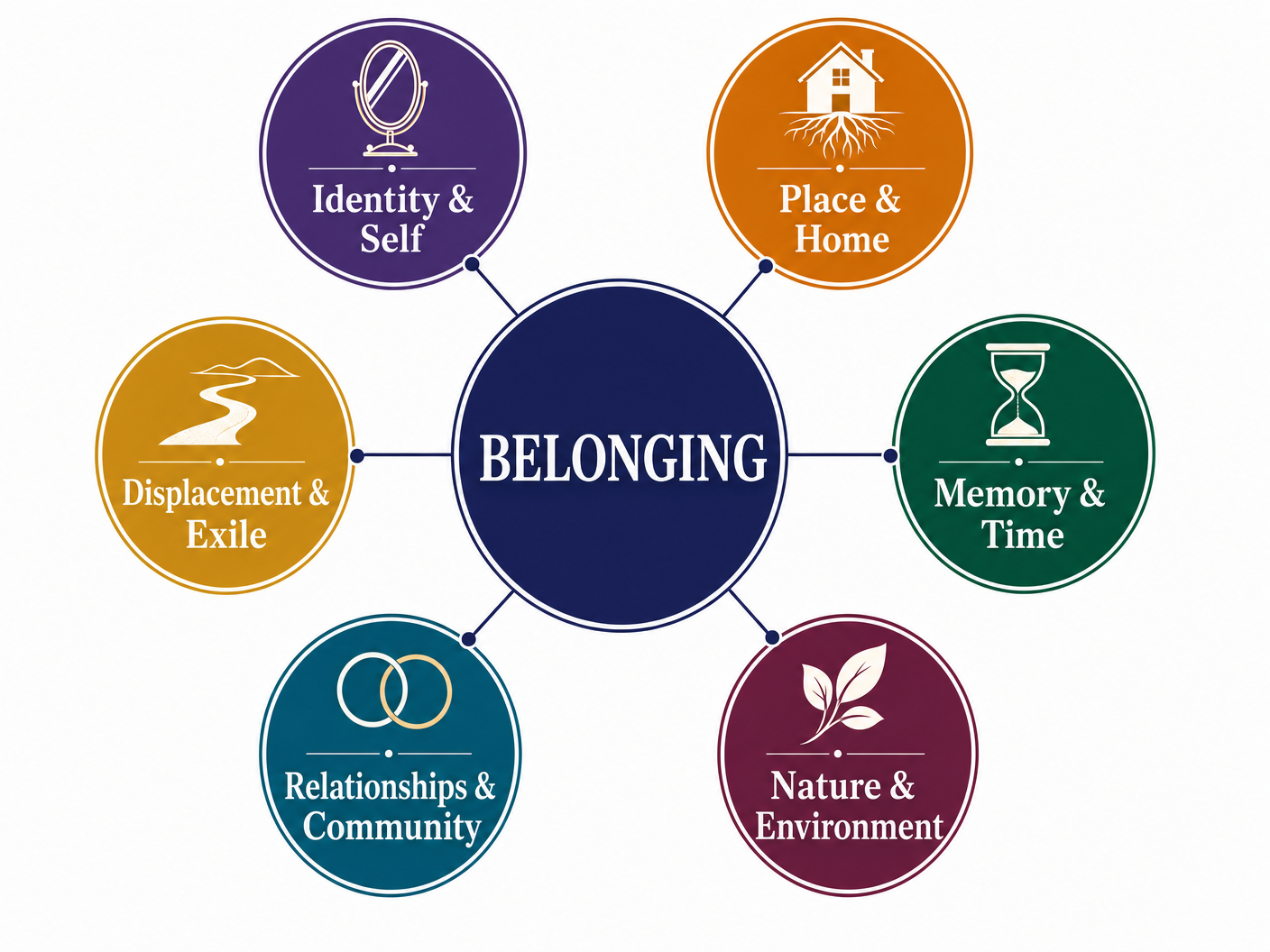
Thematic Groupings
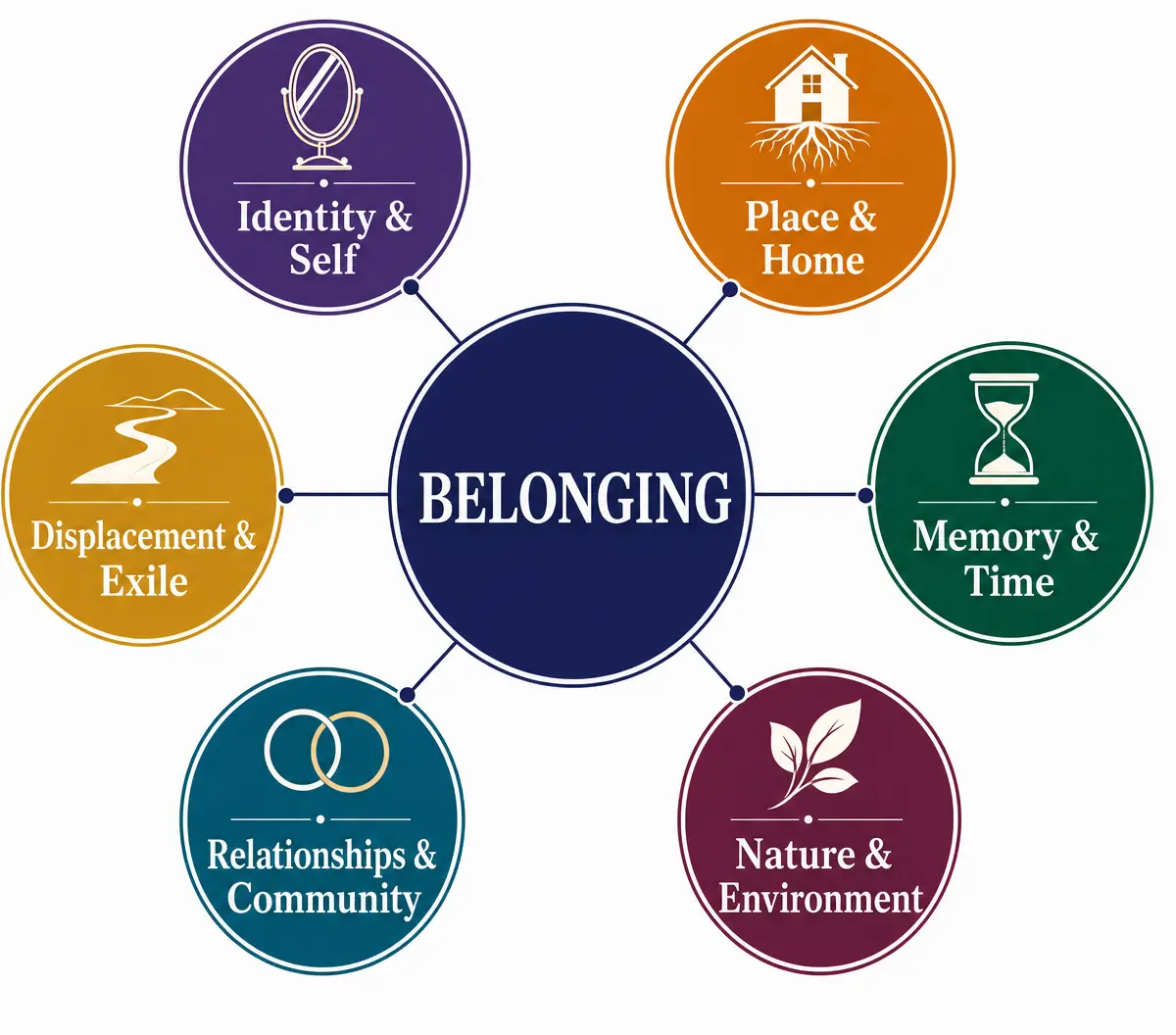
The 15 poems can be broadly categorised into key thematic clusters. Understanding these connections is vital for the comparative element of the exam.
Theme 1: Identity and Self
Many poems explore how our sense of self is shaped by our heritage, our environment, and our experiences. Contemporary poems often grapple with dual identities and the tension of living between cultures.
Key Quotes:
- "I have my roots in this soil" - Highlights the deep, organic connection between self and place.
- "A fragmented reflection" - Suggests a fractured or complex sense of identity, common in diasporic poetry.
Theme 2: Place, Home, and Displacement
Home is presented not merely as a physical location, but as an emotional state. The anthology frequently contrasts the comfort of rootedness with the pain of exile or the shock of return.
Key Quotes:
- "The house stands empty, but the memories breathe" - Personifies the physical space, emphasising the lingering power of memory.
- "Wandering a foreign street, seeking a familiar face" - Captures the alienation and longing inherent in displacement.
Theme 3: Nature and Environment
Particularly in the Romantic and Literary Heritage poems, nature serves as a mirror for human emotion and a powerful force that shapes human experience.
Key Quotes:
- "The oak stands firm against the biting wind" - Uses nature as a metaphor for resilience and enduring connection.
- "The river carves its path, uncaring" - Highlights the indifference of the natural world, contrasting with human desire for connection.
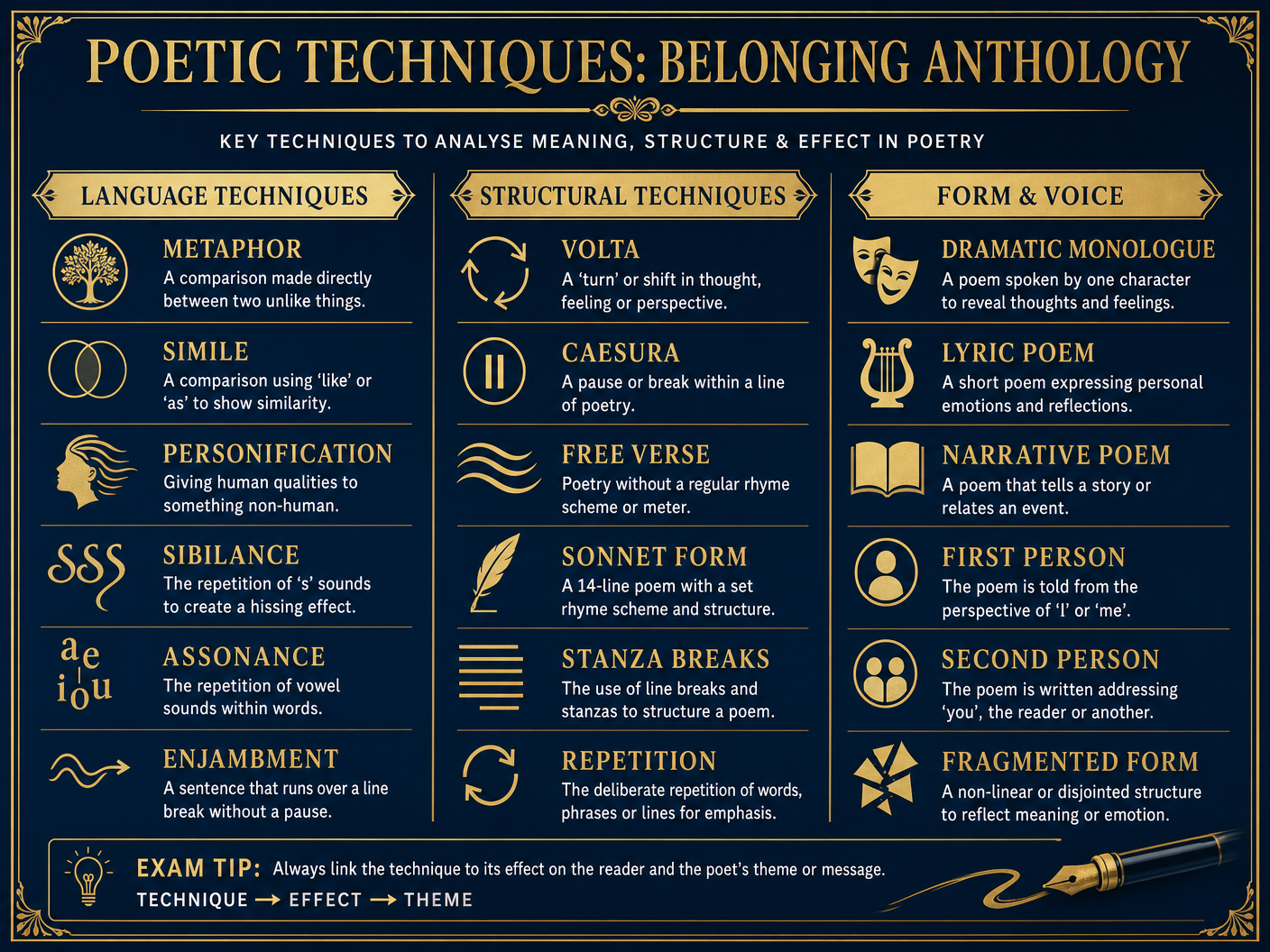
Writer's Methods
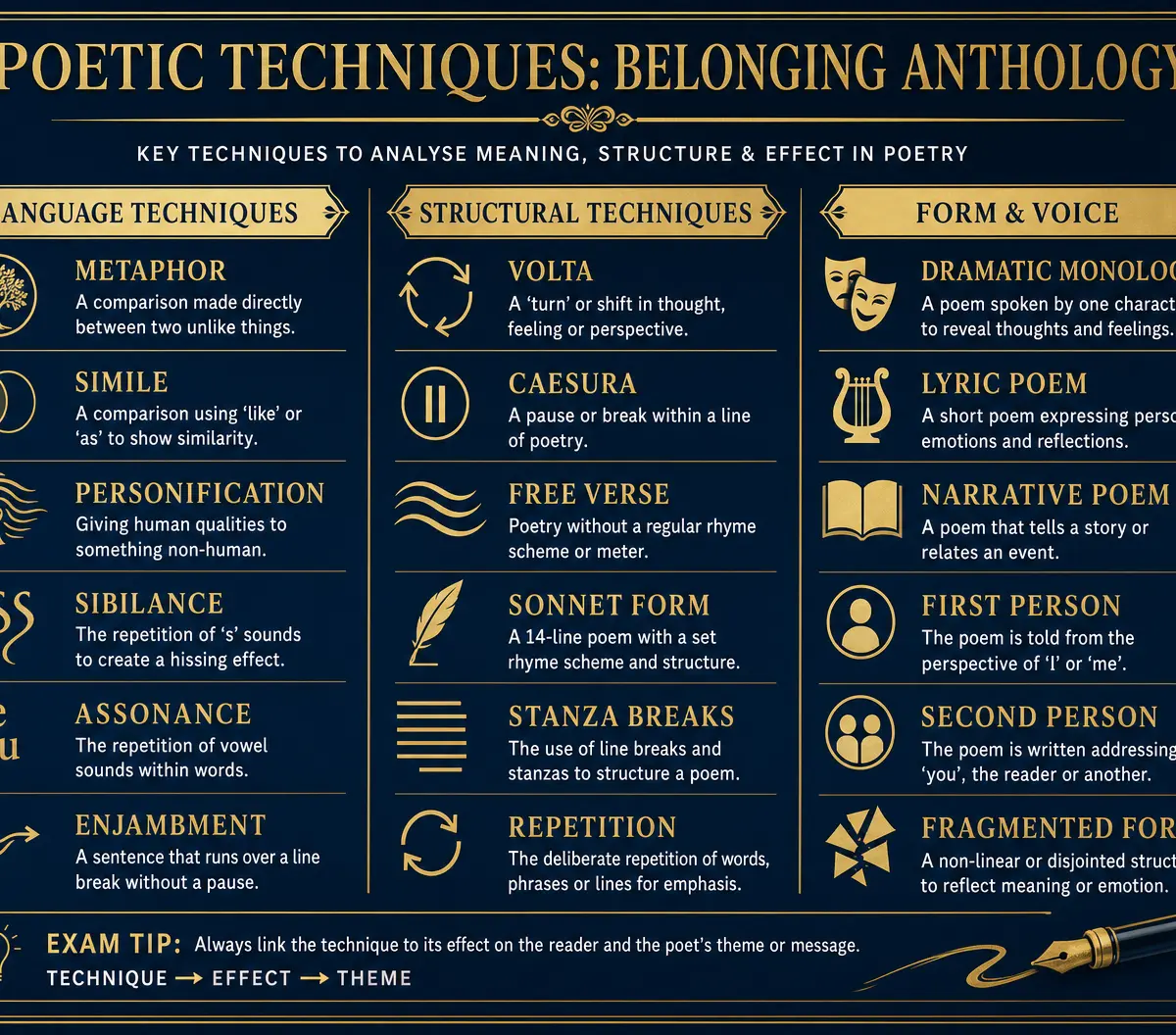
Examiners demand precise analysis of language, form, and structure (AO2).
Language
- Metaphor and Simile: Used extensively to convey abstract feelings of belonging or alienation. Look for natural imagery used to describe human roots.
- Semantic Fields: Identify clusters of words related to home, nature, conflict, or isolation.
- Sensory Language: How do poets use sight, sound, smell, and touch to evoke a sense of place?
Form and Structure
- Free Verse vs. Regular Form: Contemporary poems often use free verse to reflect fragmented identities or chaotic experiences, while older poems may use regular rhyme and meter to suggest order, tradition, or restriction.
- Enjambment and Caesura: Enjambment can create a sense of flow, journey, or breathlessness. Caesurae force pauses, creating hesitation, reflection, or disruption.
- Volta: Identify shifts in tone or perspective. A volta often signals a change from past to present, or from despair to acceptance.
Exam Strategy
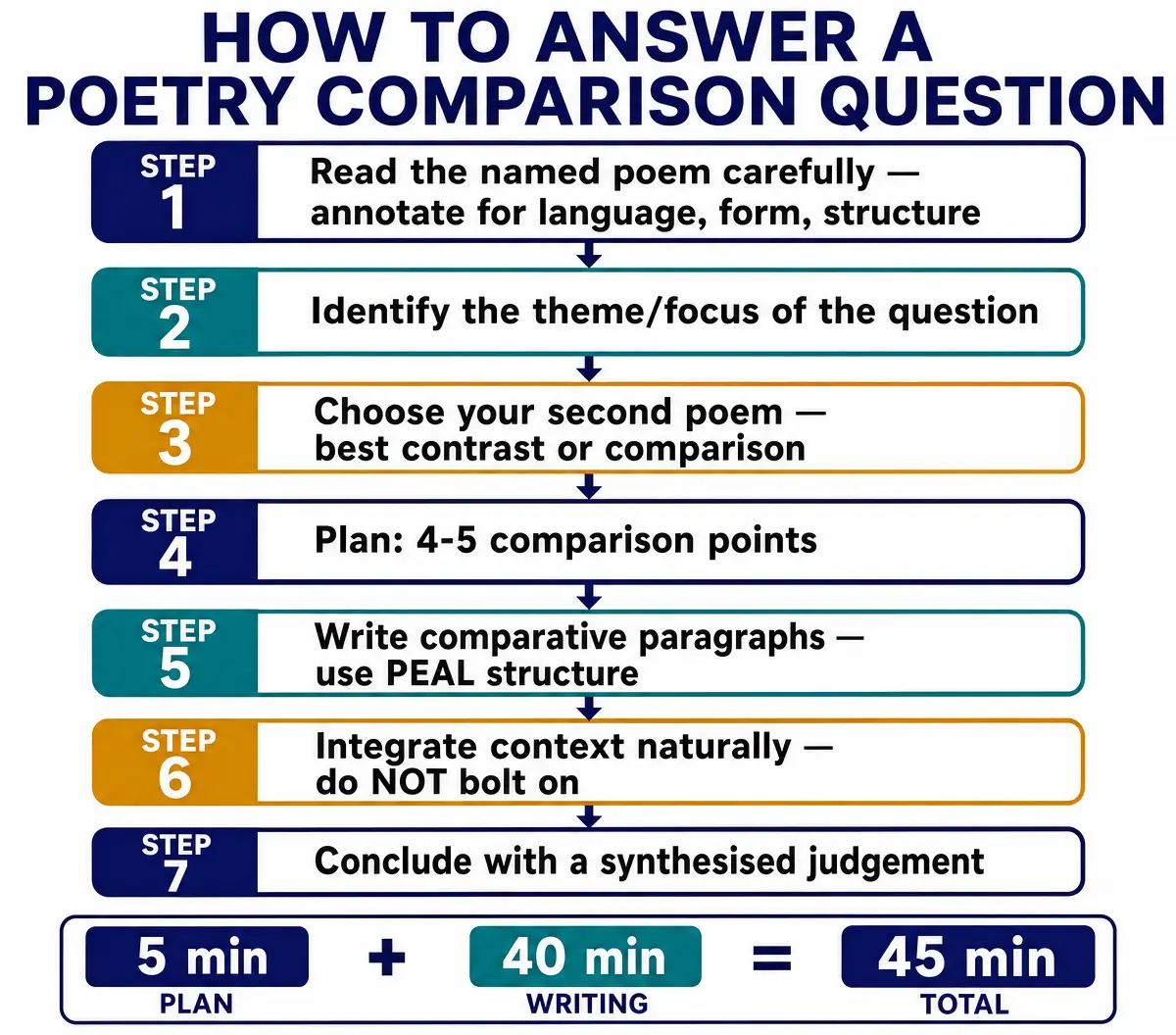
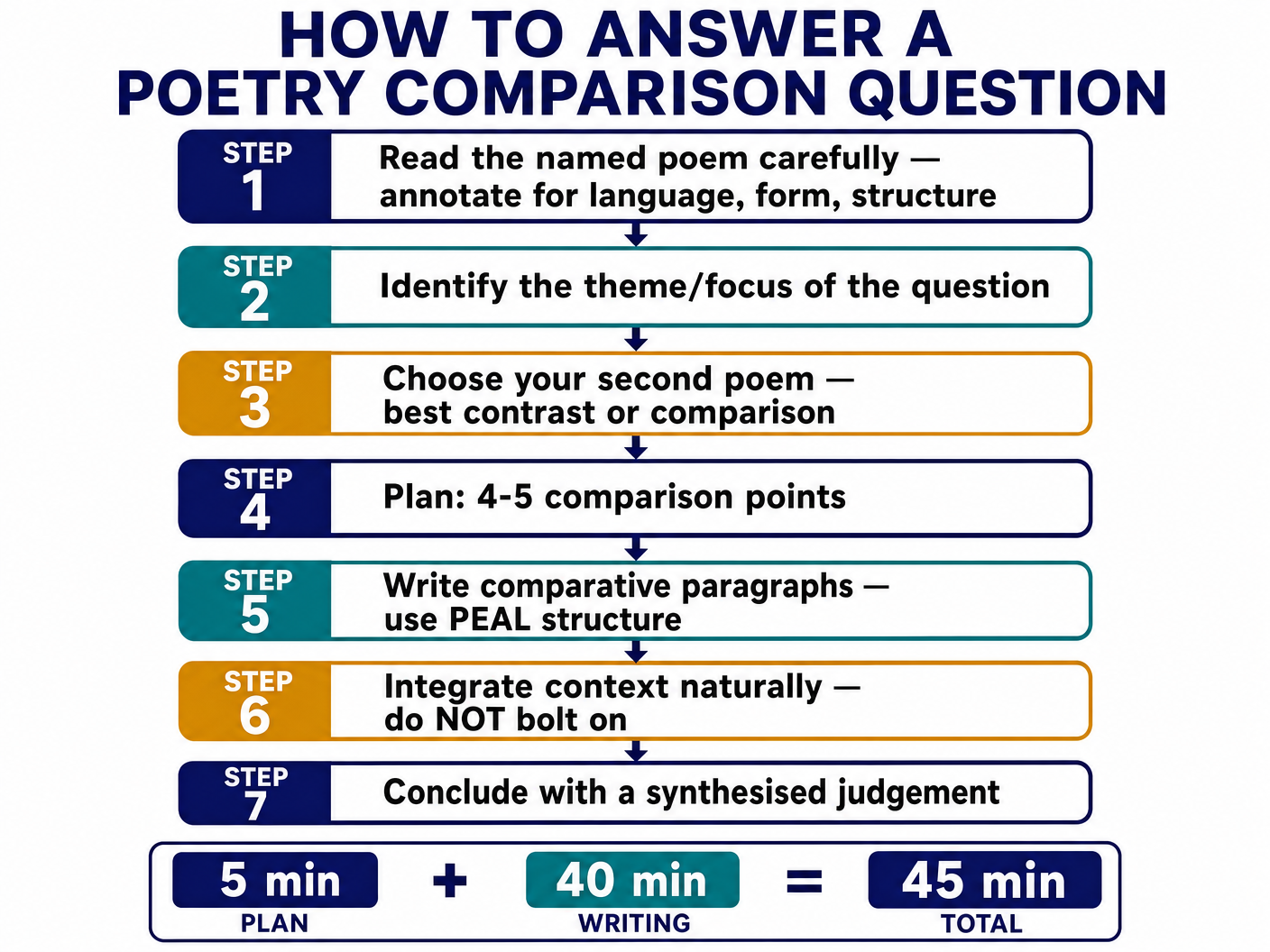
The poetry comparison question requires you to compare a named poem with one of your choice.
- Read the named poem carefully: Annotate for AO2 (methods).
- Identify the theme: What is the specific focus of the question?
- Choose your second poem: Select a poem that offers rich comparative points (similarities and differences).
- Plan: Aim for 4-5 comparative points.
- Write: Use PEAL paragraphs (Point, Evidence, Analysis, Link). Compare throughout.
- Integrate Context (AO3): Do not bolt it on. Link context directly to the language and themes.
Visual Resources
3 diagrams and illustrations
Interactive Diagrams
1 interactive diagram to visualise key concepts
Conceptual Flow Outline
Exam Strategy: Approaching the Poetry Comparison Question
Worked Examples
2 worked examples — open one to explore the question and available guidance.
Practice Questions
Test your understanding — click to reveal model answers
Compare how writers present the importance of cultural heritage in the named poem and one other poem from the anthology. (30 marks)
Hint: Consider poems where the speaker reflects on their ancestors, language, or traditions.
Compare how writers present feelings of nostalgia in the named poem and one other poem. (30 marks)
Hint: Look for poems that look back at childhood or a past home. Pay attention to shifts in tense.
Compare how writers use nature to explore ideas about belonging in the named poem and one other poem. (30 marks)
Hint: Focus heavily on AO2 here: metaphors, personification, and pathetic fallacy.
Compare how writers present the impact of time on relationships in the named poem and one other poem. (30 marks)
Hint: Time can erode connections or strengthen them. Look at poems dealing with memory, aging, or generations.